Pods and Pilots
Why Did You Give Away Your Island? This is part of a five-part essay about a question that sounds like it belongs to a card game but isn't really about cards at all: why would you give something away? It's told through Magic: The Gathering, a game I play in a way most people find strange — not to beat my opponents, but to give to them. You don't need to know the game to follow along. It's really about generosity, power, and what happens when you build a room where everyone gets to play.
The Gift as Power
I needed a table willing to let someone like me sit down and play this way — to give, and to keep giving, even when the room doesn't understand why. Especially then.
There was a game where I was playing Gor Muldrak, and across from me sat a player who was visibly, undeniably frustrated. This must've been around turn 8, well into the mid or late game. You could feel it coming off him in waves — the tightened jaw, the quickened breathing, the way his eyes kept scanning the board as if the answer might appear if he looked hard enough. His fingers tapped the table edge, not in rhythm but in frustration, the kind of fidgeting that happens when your body knows something your mind hasn't admitted yet: that the game has slipped out of your hands.
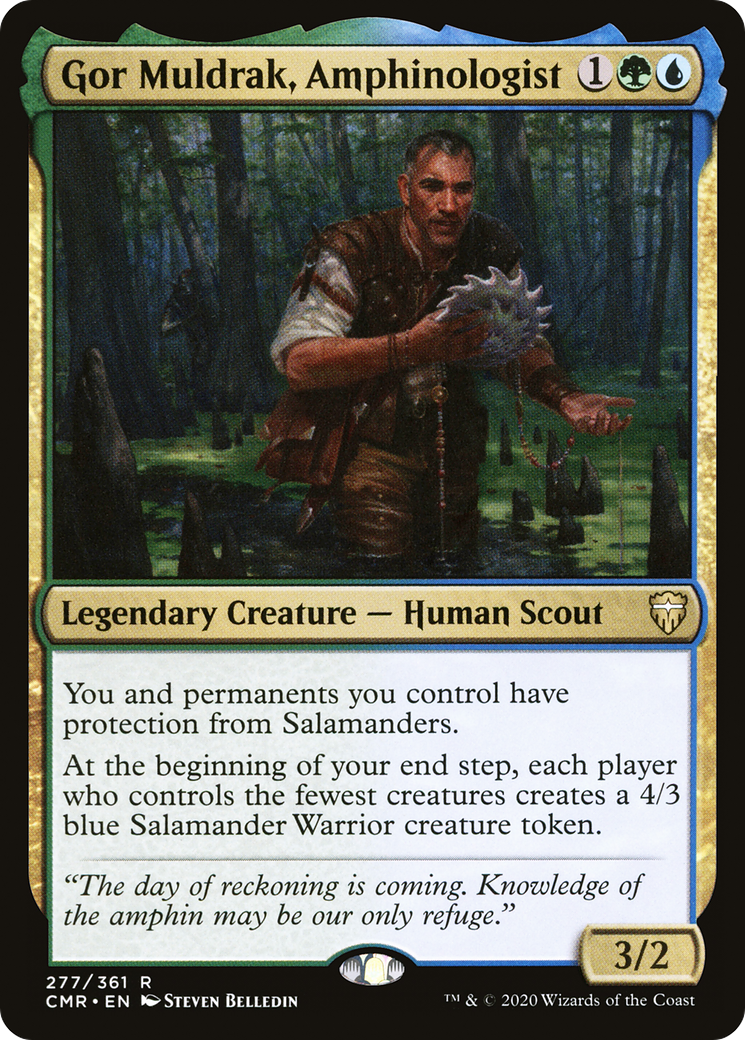
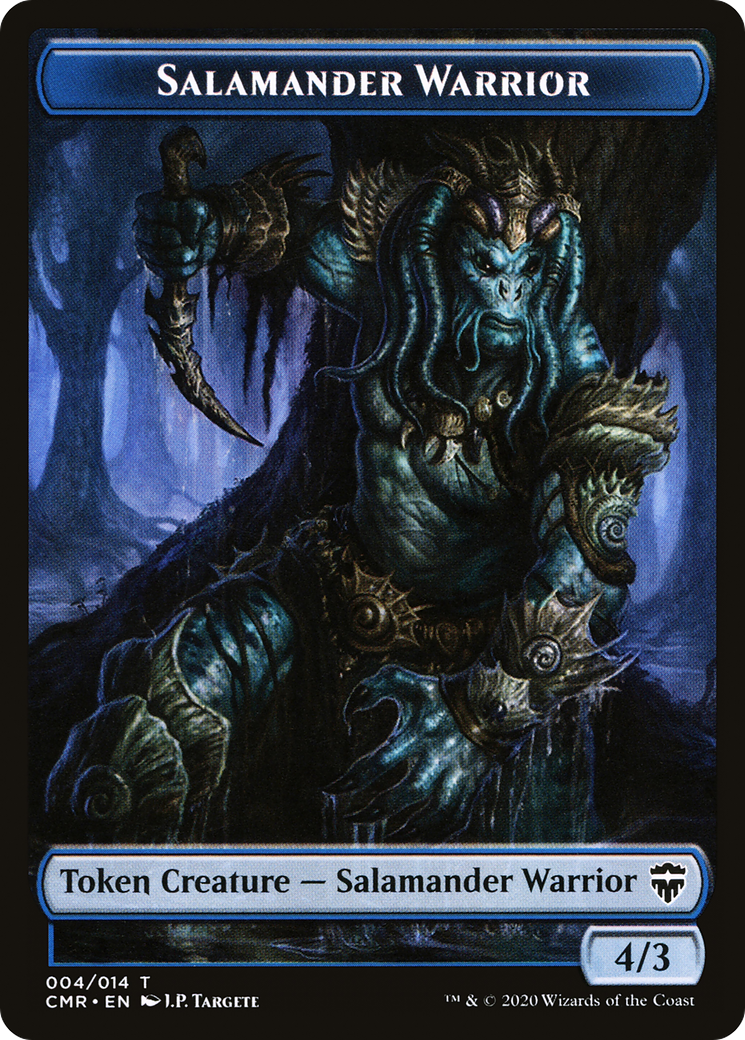
He was aggressive. Competitive. The kind of player who comments on other people's plays. The kind who asks why you played your card that way and not this way, whose voice carries the implicit authority of someone who believes there is always a correct line and he has found it. And here he was, staring down a board of Salamanders, going deep into thought during his combat step, trying to find a way to get damage through to activate his commander's ability.
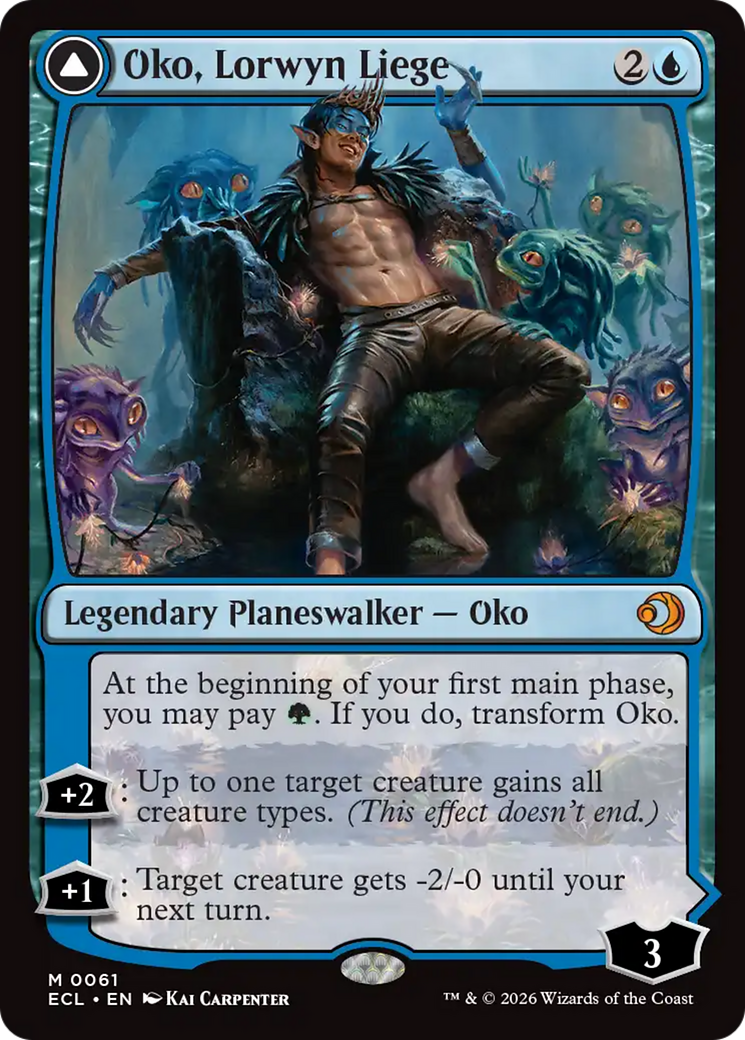
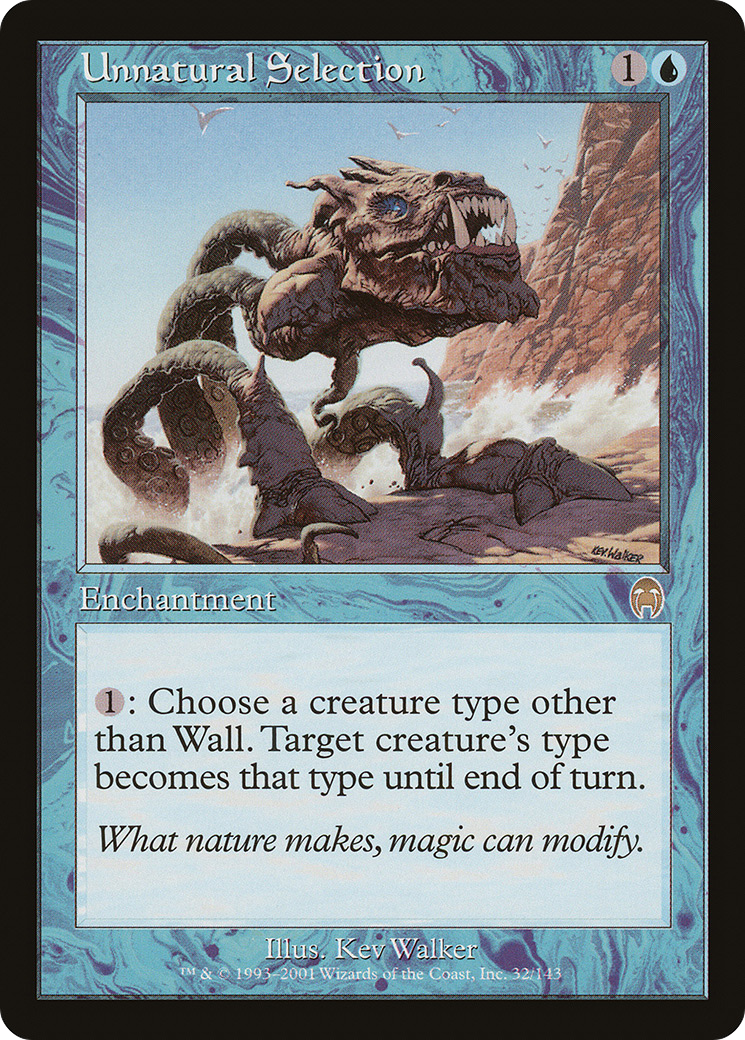
These were pauses, long, unnecessary pauses. My Oko was transforming their creatures every creature type at once, permanently. Oko made each of them, among many other things, a Salamander, the very creature type I had protection from. No creatures were tapped or killed or given any form of handicap. The creatures stayed on their board, untapped, still theirs, still free to attack anyone at the table it liked. They just couldn't touch me again. My board was doing the work for me. And I was sitting back. Arms folded. Crossed legs. Just watching. The silence spread across a table because one player had completely rewritten the rules — not with force, but with friction. I remember looking at another opponent who also noticed the silence. We looked at each other and smiled.
There was a photo of me at some point during that game, and when I saw it later I noticed my posture; leaning back, completely still, observing the board like it was my own commissioned nature documentary. My body had already told me what my mind was still processing. That I have two modes at a table: the Active Facilitator, who leans in, engages, navigates the flow of the game — and the Watcher in the Shadows, who pulls back, goes quiet, and lets the environment do the talking. That game, I was the Watcher. And it was more satisfying to watch him feel the friction than it would have been to win.
I lost that game, and I didn't care. What mattered to me wasn't the outcome, but instead it was the slow burn of watching someone grapple with a system they couldn't overpower, the quiet satisfaction of knowing I'd built something that worked exactly as intended. It felt intimate to sit in silence while someone else wrestles with the world you made. Isn't that its own kind of victory? A glorious flag measured not in life totals but in the weight of the pause before your opponent finally, reluctantly, passes the turn.
Yellow came with me from the collection. It started as a set everyone had already decided against; too loud, too far from the gothic fantasy the format wanted. Here it stopped being an aesthetic and became a form of play instead. I gave the table a board of Salamanders, and the Salamanders were genuinely theirs: real 4/3s, on their side of the mat, attacking for them whenever they chose. They had sat down in a pod built for aggression and discovered the one thing a Salamander could not do was touch me. The gift was also a cage, generosity that was also control. The yellow doesn't need to be loud, it just needed to be there, sitting on the table, rewriting the rules while the room adjusts around it.
Gor Muldrak has two abilities, printed in this order. Read the card again, though, and the cage stops being something I wrapped around the gift.
You and permanents you control have protection from Salamanders.
At the beginning of my end step, each player who controls the fewest creatures creates a 4/3 blue Salamander Warrior token.
The protection wasn't a voluntary idea borne on top of the generosity. It was the generosity's very precondition. The card cannot hand out Salamanders without having already decided what a Salamander may do to me, and there is no version of it that asks first. There was no consent. It arrives at my end step, to whoever is furthest behind, whether or not anybody wanted it.
I have been calling that a gift. But is it still a gift if no one asked for it? At least the gift worked. But I've since learned to ask a harder question: worked for whom? The same board that felt like satisfaction to me felt like illegibility to them — not outpaced, but re-hung.
He won in the end, and he didn't win by finding a line. He won by asking, and for a turn he turned to politics over combat. He turned to the player beside him and proposed an alliance, together they found a way around my battlefield. That felt better than winning would have. The cage had done exactly what I built it to do, and it hadn't stopped the game. It had changed what winning required. If he wanted to reach me, creatures wouldn't do it. He had to do it with people. Gift as power for a single turn.
The Gift as Kindness
There was another game where I was playing Zedruu the Greathearted, and one of my opponents was a new player who had been stuck all game. Mana-screwed. Unable to do anything meaningful.
I'd felt it long before I understood it — not in my head but in my chest, that particular ache of watching someone sit at a table and not get to play. The way his shoulders dropped a little more each turn. The way his hand hovered over his lands and then pulled back, as if even the act of tapping mana had become a reminder of how little he could do with it. I know that feeling. I've sat in that chair. It's not a nice feeling to be mana locked, the loneliness of being at a table where the game is happening around you but not with you.
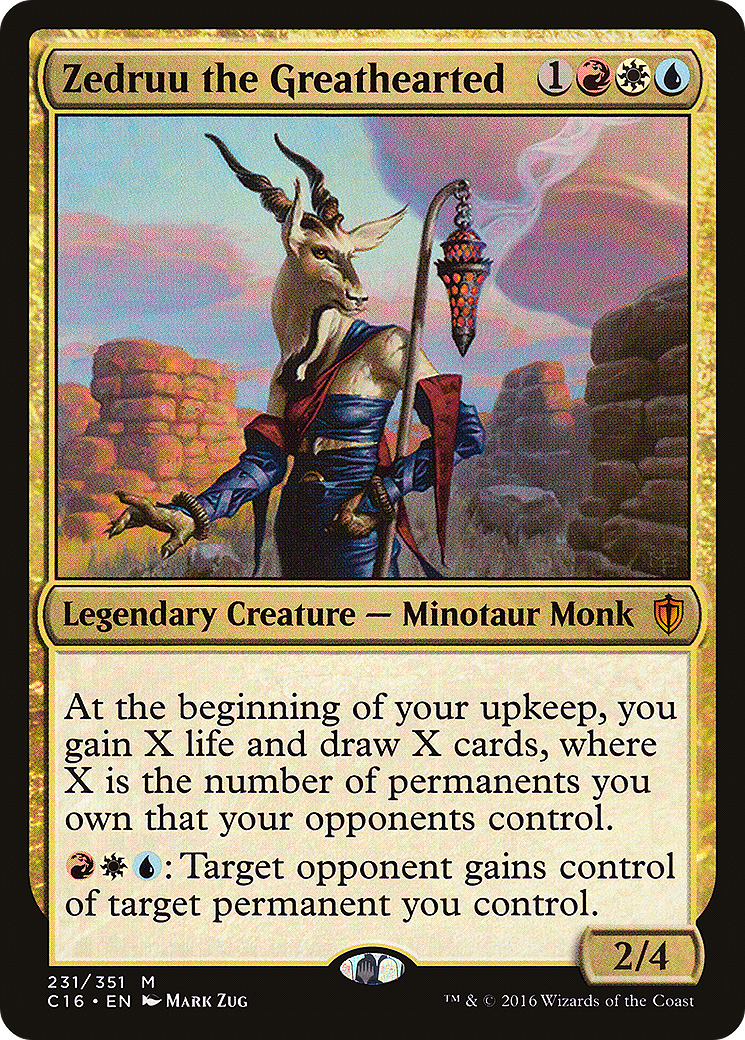
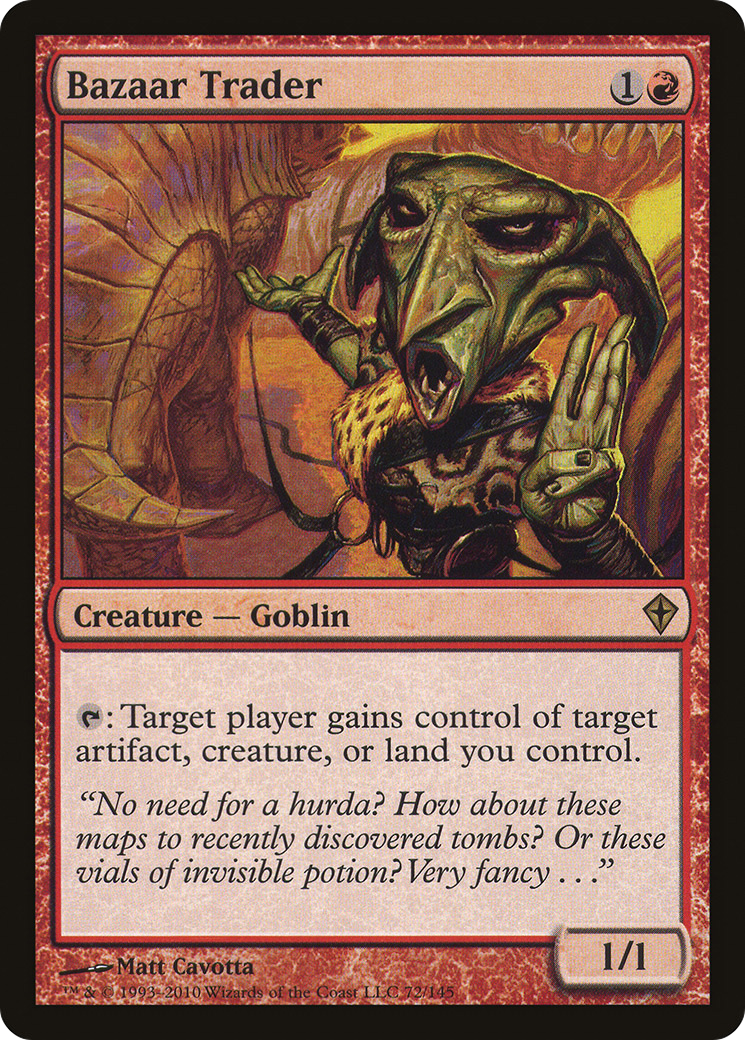
So I tapped three mana and decided to give him one of my basic Islands. It was a small gesture, a single card slid across the table, face up, no fanfare. But with Extraplanar Lens on the field, that Island was tapping for double mana. It pulled him back into the game. I watched his posture change. His spine straightened and looked more eager, his hand moved over his cards with something like hope. He cast his spells. His deck did its thing. And in the end, he won.
After the game, one of the other opponents — someone who had been playing quite competitively, who had spent the game trying to educate the new player on optimal lines, whose voice carried the same implicit authority — asked me why I'd given him the Island. He asked if it was some kind of big brain play.
I said, "I just wanted to help the player."
He looked taken aback. His eyebrows pulled together, not in anger but in genuine confusion. He expected something more intelligent, mentioning "Oh I thought you were playing a secret combo or something". Something transactional, a hidden angle, a political favour I was calling in later. When my answer was simply kindness, he didn't know what to do with it. The question landed and found no purchase, because the answer belonged to a game he wasn't playing.
He wasn't wrong to ask. It is a strange thing to do, and I did it in front of three other people who had all sat down to a game about winning. Nobody had asked me to fix anything. There was no vote, no request, no signal from the table that the Island was the correct play — there was just me, deciding that the room should feel different, and being the only person at the table who had made that decision.
In many circles, helpfulness is seen as unintelligent. Empathy is read as naivety. If you give something away for free, then surely you must not understand the value of what you have. But I do understand the value. I just measure it differently. The value wasn't in the Island. The value was in the new player getting to actually play the game — getting to cast his spells, watch his deck function, and walk away from the table wanting to come back next week. What currency do you use to measure that?
Same Hand, Different Heartbeats
When I first discovered Gor Muldrak, I was surprised by the sheer generosity that he could bring to the pod. Brewing a commander deck for him involved not only subverting what it means to give tokens to other people, but what it means to be a Salamander in the first place. I gave away Salamanders and watched an aggressive player suffocate inside a system he couldn't punch his way out of. The gift was a cage. Generosity became a new form of strategy. Control dressed in the bright, defiant yellow of something that doesn't look like a threat until it's already reshaped the room.
Zedruu the Greathearted creates value when other people have control over your cards. I gave away an Island and watched a new player come back to life. I gained a card draw and 1 life because of it. But the intention here was the gift. The gift was a door. Generosity as kindness. No political calculus or expectations, especially given he was quite behind. Just the simple, irreducible act of seeing someone struggle and deciding to help.
Both were real. Both reshaped the board. Both were giving. And giving, I've learned, is never ever really neutral. Perhaps that's why many players question the authenticity of it. Because it is undeniably so. Every gift changes the shape of the table. Every draw changes what's possible. The question isn't whether to give. It's what you're giving for.
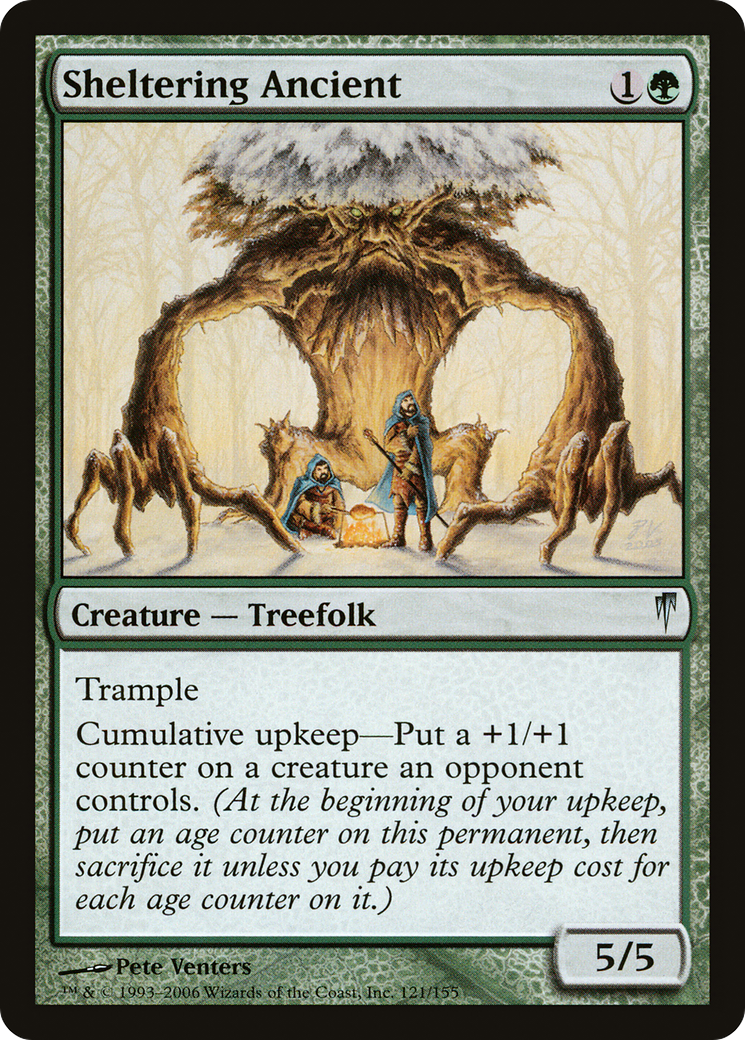
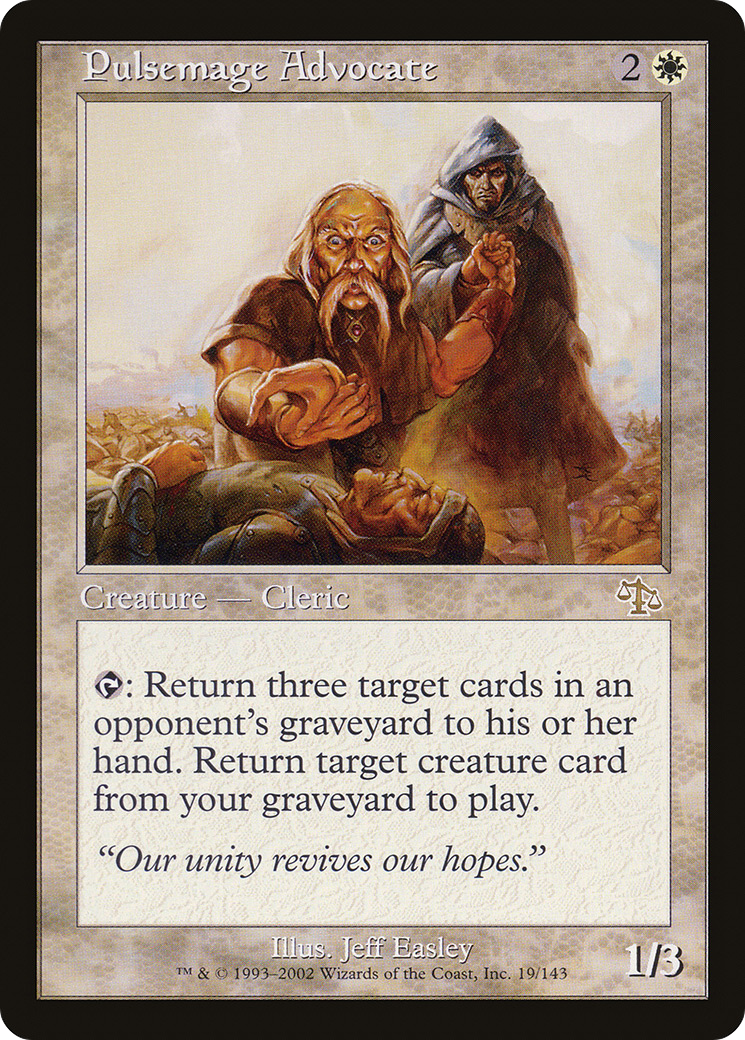
What's the point of giving something away to a fellow player? Because someone was sitting at a table and not getting to play. Because I had an extra one. Because the game is better when everyone is in it. The question feels complicated only if you believe every action at a table must serve the self. If you believe the game can be about the table and not the player, well then perhaps the answer is the simplest thing in the world.
I gave away the Salamanders because I wanted to see what happens when the room can't ignore you. I gave away the Island because I wanted to see what happens when the room finally includes everyone. Same hand, same instinct, different heartbeats.
I was a Watcher with my Salamanders. I never touched the board, and the board did the arguing. When I gave my Island away I was the Facilitator, a hand reaching across the mat with a card in it. Same person, two postures — and the difference between them was never the deck or the day. It was whether the architecture did the talking, or I did.
One of those gifts could have been pushed back across the mat. The other couldn't be refused at all, arriving at my end step to whoever was furthest behind with no questions. I have been treating them as the same gesture with different intentions. They were not the same gesture. One of them asked a question, the other became a form of weather for the pod.
And in both games, the people across from me, the frustrated aggro player, the confused competitive player, were playing a game I wasn't playing, and I was playing a game they hadn't agreed to. They were already inside a system I'd built. I just hadn't yet asked who gave me the right to decide what the room should feel like.