Group Hug as, and is, Power
Why Did You Give Away Your Island? This is part of a five-part essay about a question that sounds like it belongs to a card game but isn't really about cards at all: why would you give something away? It's told through Magic: The Gathering, a game I play in a way most people find strange — not to beat my opponents, but to give to them. You don't need to know the game to follow along. It's really about generosity, power, and what happens when you build a room where everyone gets to play.
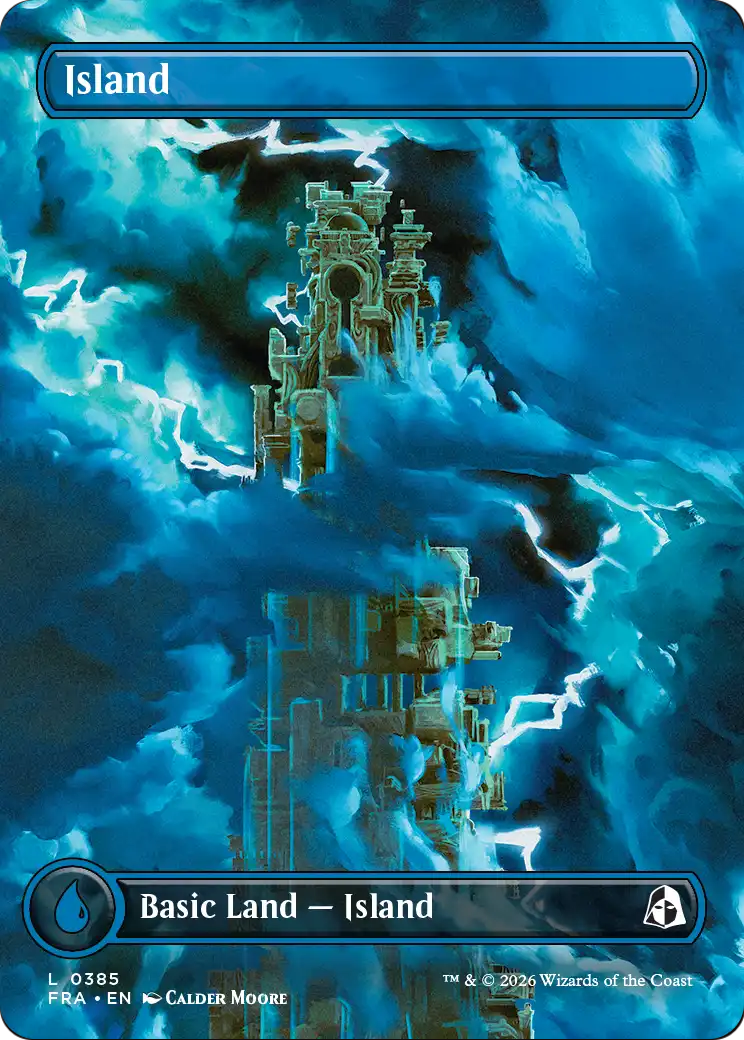
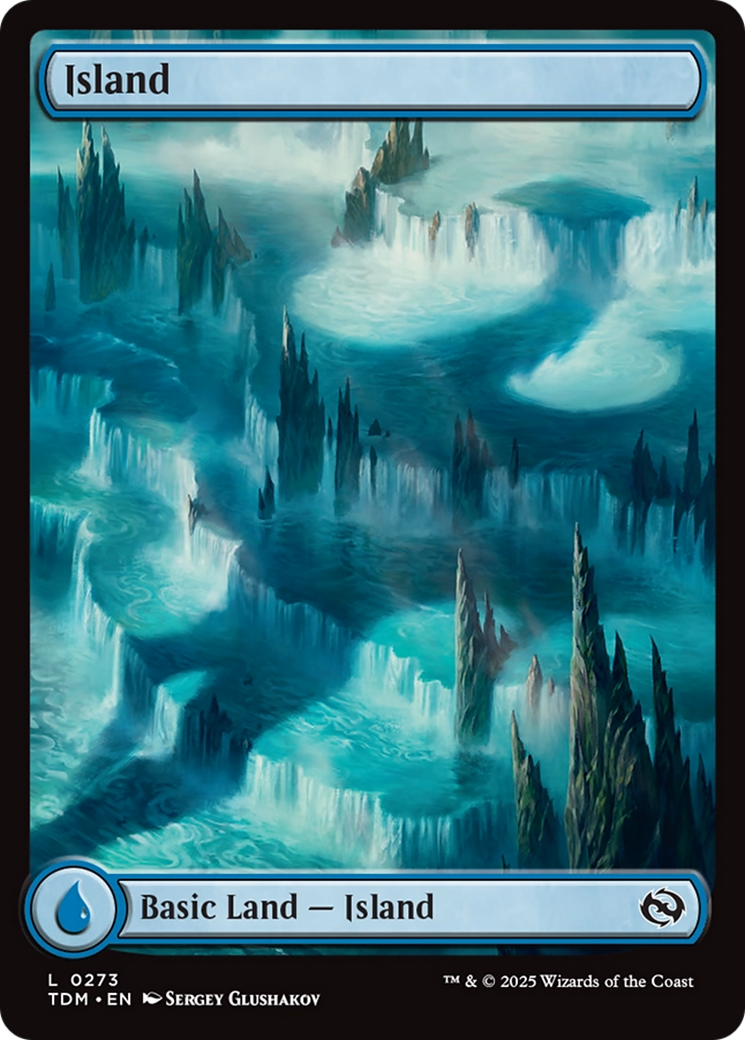
Why did you give away your Island?
Because someone was sitting at a table and not getting to play. Because I had an extra one. Because the game is only ever as good as the room holding it.
When an opponent asked me that question, he was only asking about a single card. And when I answered, I thought I was trying to explain a single interaction. Sliding a basic land across a playmat so a stuck player could finally tap double mana. It felt like the simplest thing in the world. I had a spare, he had nothing, and the game got better.
But the land kept moving after it left my hand. The player who could suddenly cast his spells became someone the rest of the table now had to plan around. The game I had "fixed" now held a different shape, a shape I had chosen. I meant it as care, and it landed as a change in the weather.
I have been sitting with this feeling for a long time now. The question was never really about cardboard. No, it was actually about power. What happens when you enter a system designed for dominance and choose, with full awareness and clear eyes, to give? I thought the answer was finished. Choose care, practice generosity. Offer the open hand and let the room be better for it, like a bouquet of flowers where everyone had the opportunity to smell the roses.
But then I watched a gift become a burden in the hand of the person it was meant to help. And I watched an offer go so unanswered that it never became a gift at all. Does a gift become a gift the minute it leaves my hand? How these gifts land in someone else's game, and what it becomes there. It is not entirely up to me.
Giving is not the opposite of power. But neither is power automatically care, just because it is exercised through giving. My open hand is not innocent. They are worn, and carry the same goal of winning and playing. I am answerable for what my generosity does to a room. The way it rises the water and lets the end come closer to see, how it makes the impossible feel possible, and for the games it quietly rearranges without asking.
For a long time, the wider community has treated Group Hug as a punchline. A naive, chaotic playstyle for people who don't care about winning, or worse, a form of kingmaking that ruins the integrity of the pod. Look at this player giving away free cards. They must not know what they're doing. They dismiss it the way they would dismiss casual jank; soft and frail, with no yellowish shine or gold-coloured markings, a rather stale and simple piece of cardboard.
It is unfortunate that all some see is weakness. Group Hug is systems architecture, and it asks for more of the pilot, not less. More reading, more timing, more nerve. Pay attention to their faces before they decide who to give the +1 counters to. Look at the way they've made up their minds to counter the pubstomping opponent. And I suppose I get it. The players scoff, and they scoff with conviction as they sense something real. Because there is power in this playstyle, more than they know, and more than I was willing, at first, to admit even to myself.
This essay is about that power. What it builds. What it hides. What I owe the people who end up living inside the rooms I keep building for them.
The Taxonomy of the Gift
Over months of brewing and testing decks I've discovered that giving resources falls into three distinct, interlocking ways of altering the weather of a pod. This has been my own way of practising, and it's been a helpful opportunity for me to incorporate systems design into a helpful style of play. But I want to make it clear, this map is not a list of kindness. Look closer, and you will see that it is a map of how power moves through a room.
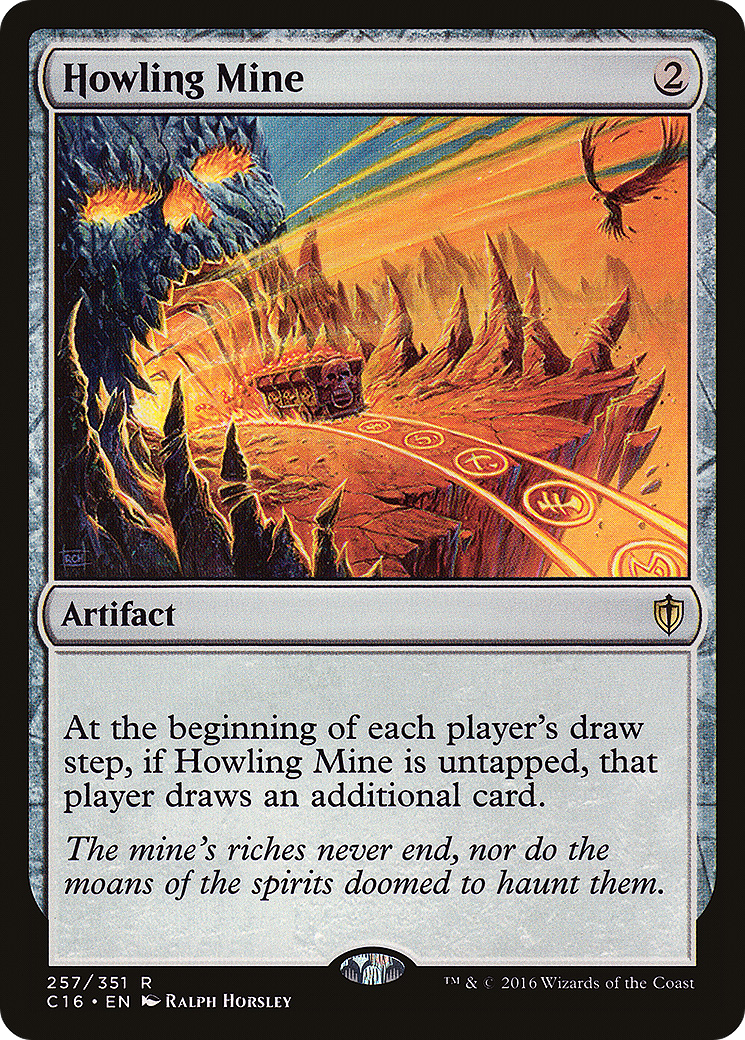
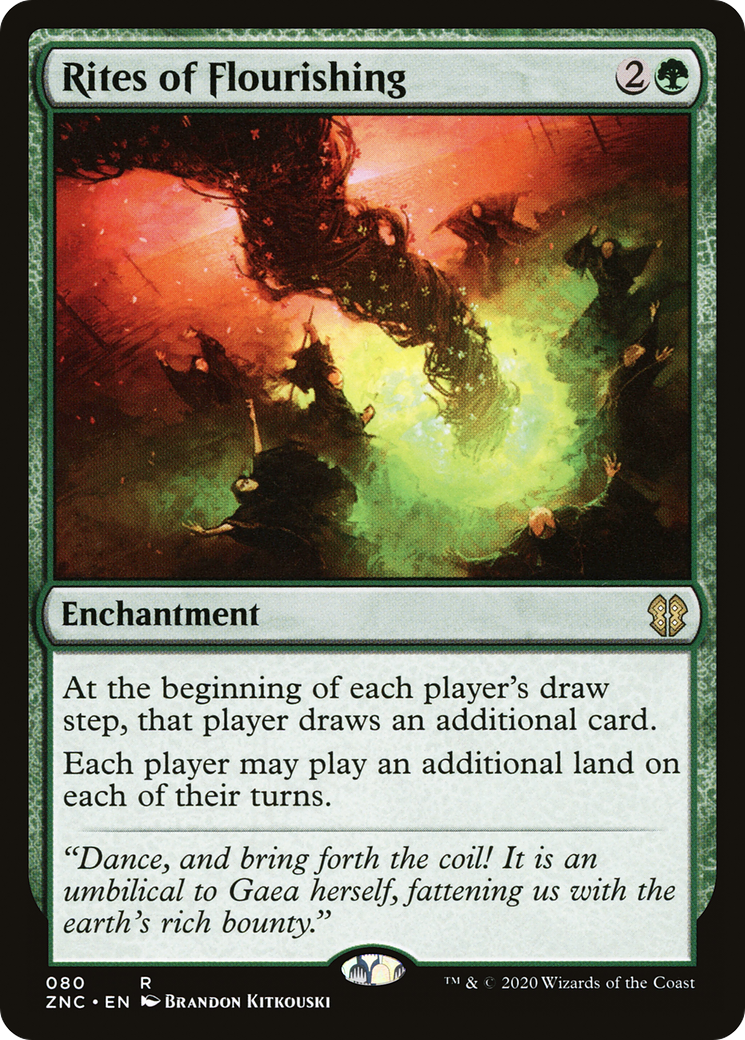
First, there is the Fountain. This is symmetrical, open-handed generosity. Cards like Howling Mine or Rites of Flourishing. The Fountain changes the velocity of the game; the tide rises for the whole table, lifting the room out of early-game inertia. When I drop a Howling Mine, I am forcing the game to accelerate. I am shortening the time the table spends stumbling in the dark and pushing everyone toward their engine. And a rising tide should never be seen as a neutral event. Because the player who brought a slow, careful plan to the table did not ask for my acceleration.
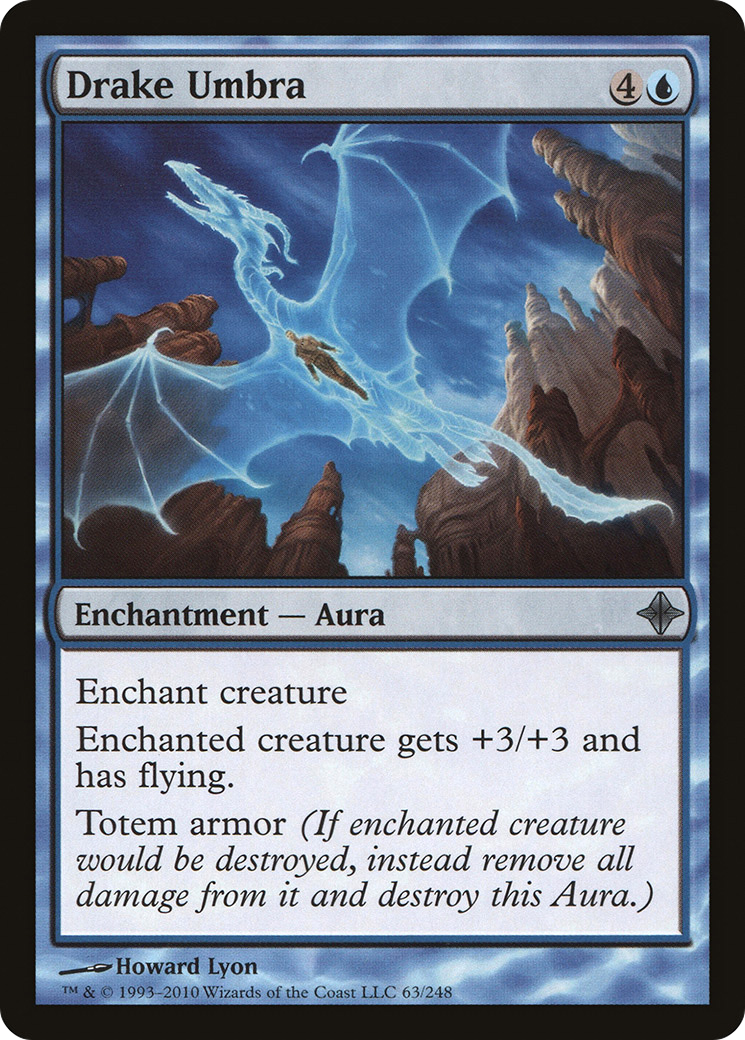
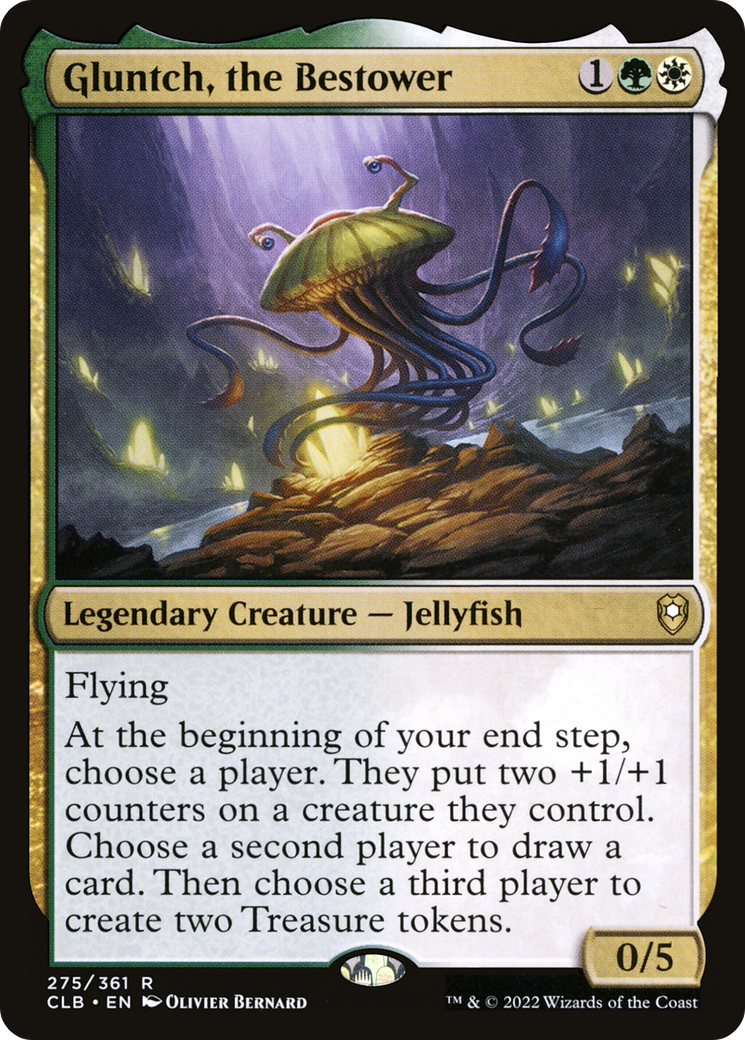
Second, there is the Spotlight. This is targeted, intentional care. Cards like Wedding Ring, or the simple act of passing an Island across the table to a mana-screwed opponent. The Spotlight isn't symmetrical, it is a surgical and it cuts through with its sharp blade to give you a specific opportunity or resource. Direct the resources toward the player whose engine is sputtering, ensuring every participant gets to experience deck expression. Make space for someone to exist at the table. I run the Spotlight to keep the game alive for everyone, because I've always believed that a pod where one player is mana-locked and watching from the sidelines isn't a game, it's basically a spectator sport. When you look closely, spotlighting is a kind of authority. The moment I decide who is falling behind, I have already decided what falling behind means. And who knows, maybe the player under my Spotlight may experience my care as being turned into a project? You can never tell with men and our egos.
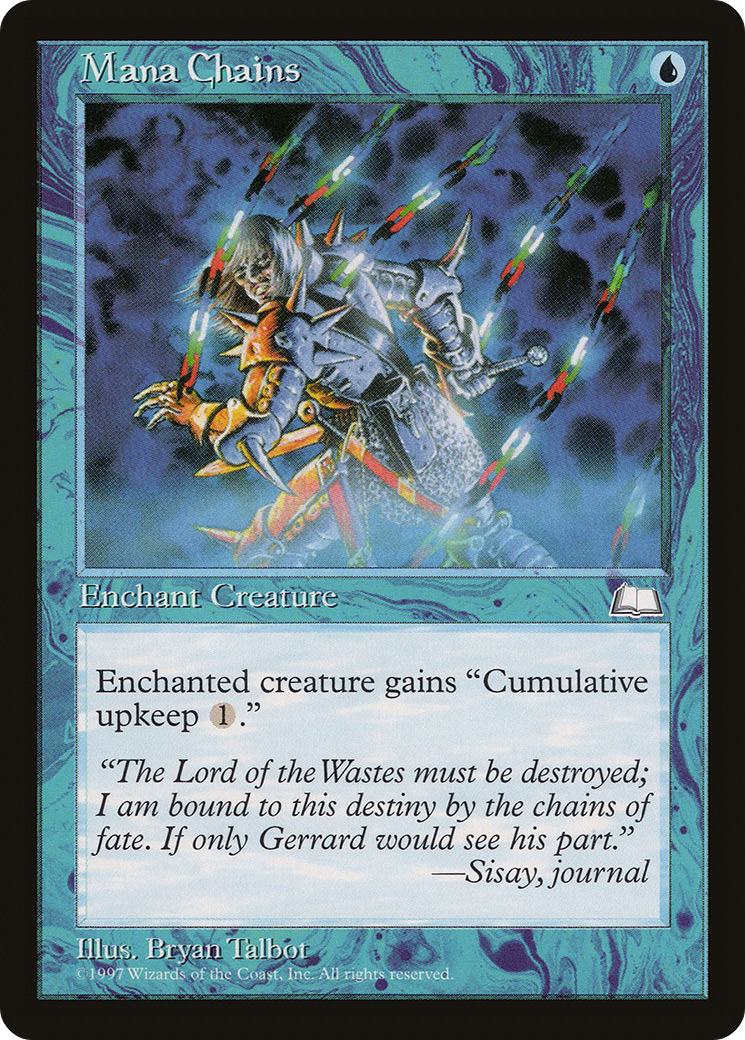
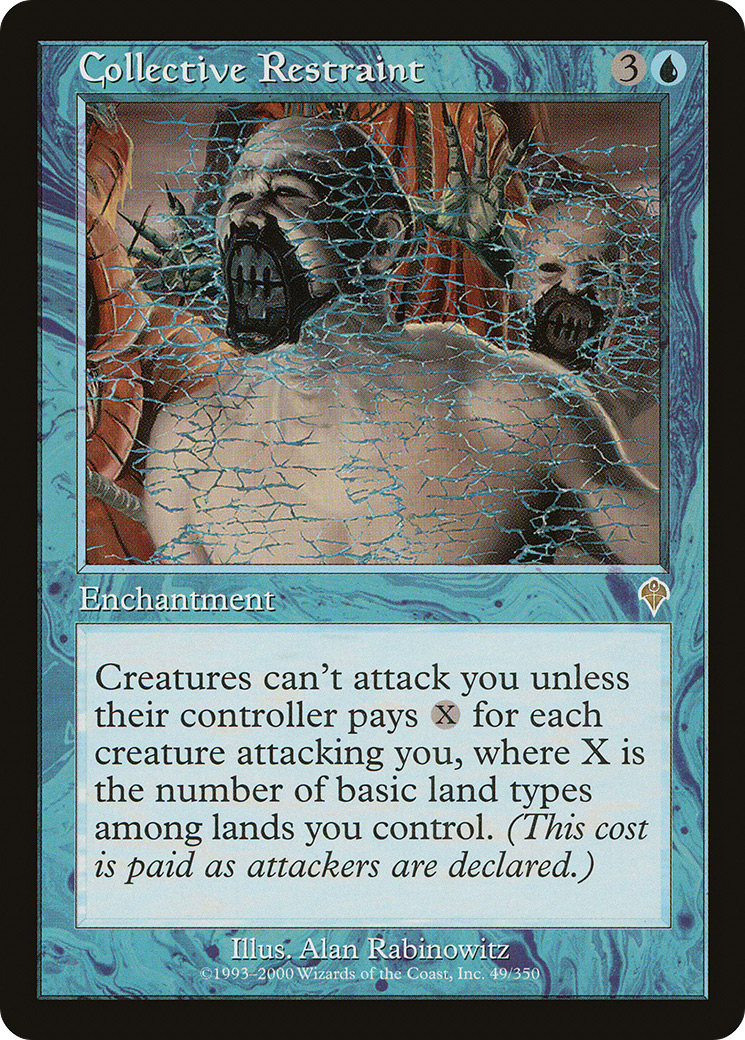
And finally there is Shadow, hidden underneath and overlooked by many players who's only seen the shallow waters of strategy. Conditional generosity, greed taxes, and redirection. Cards like Smothering Tithe, Nils, Discipline Enforcer, Propaganda, or Forced Fruition. The Shadow arrives like an abundance of gifts, but if you attempt to weaponise them against me, the environment itself will tax you. Whether the table reads that as fair play or as betrayal is not something the card decides, I sadly have no part in its reception.
When I give a Salamander token with Gor Muldrak, that is the Fountain. When I use Oko to turn your biggest attacker into a Salamander so you can't hit me, that is the Shadow. When you balance all three, you are managing so much more than the battlefield you see and the weight of paper on your hands. You are managing table parity and psychological safety. You become a resource gatekeeper, maintaining a delicate, living equilibrium where no single bully can monopolise the room. Is that considered weak? Perhaps it's a waste of time? And in a way, isn't it the most sophisticated form of control you can find at the table?
Fountain, Spotlight, Shadow. This is my own personal map.
It tells me where the power is going, but I have to remind myself that it cannot tell me where the gift lands. The same Howling Mine that makes one player's game suddenly real can make another player's slow, careful plan impossible to execute. The same Island that returned a stuck player to the table can, in another pod, read as a favour backed by a rusty, diamond-shaped hook. The map will never give the answer key for how my pods will respond.
And so I have learned to ask two questions:
What is this gift doing to the room?
How will I know if it is welcome?
The Invisible Labour
I often need to remember that piloting a Group Hug deck is exhausting. It is not the tiredness of a long game or a hard decision, it's rather the tiredness of holding too much of the room in your head at once. Like the Haast's Eagle, this burden of the wide view.
When you play Voltron or aggro, your focus is linear and quite literally straight to the point. My commander, my damage, my combat step. The puzzle fits neatly on your own side of the mat; your curve, your swing, the math of your own attack, each of which demands its own kind of nerve and tention.
But when you sit down and pilot your Strategic Group Hug, your focus is ecological. From the moment the first land drops, you are monitoring three other human beings. You are tracking their mulligans, their land drops, their frustrated sighs, and their quiet celebrations. You are constantly asking yourself questions that have nothing to do with the stack: Who is falling behind? Who needs a Spotlight? Who is getting too greedy? Who is about to run away with the game and needs to be taxed by the Shadow?
Most players watch their own battlefield. But here sometimes I am an eagle, drenched in yellow, watching the weather as the three opponents play. There is labour here trotting along in multiple axes, cognitively, socially, and in some cases emotionally too.
At a recent Community Day event, I sat down for a pod and revealed a copy of Ms. Bumbleflower single I had just purchased from the community booth. The reaction from two experienced opponents was immediate. A scoff, a roll of the eyes, and the cryptic reply.
"Group Hug is a choice."
I asked them to unpack what they meant by that. They replied by noting that the giving was a trap that pulls you into an asymmetric deal where you suffer in the end. They claimed it was unfair. I quietly took note of their apprehension and replied, "So then how is a Group Hug player supposed to win?" They mumbled something about infinite combos, as if that were the only "legitimate" way for a facilitator to close out a game. Neither of them could answer.
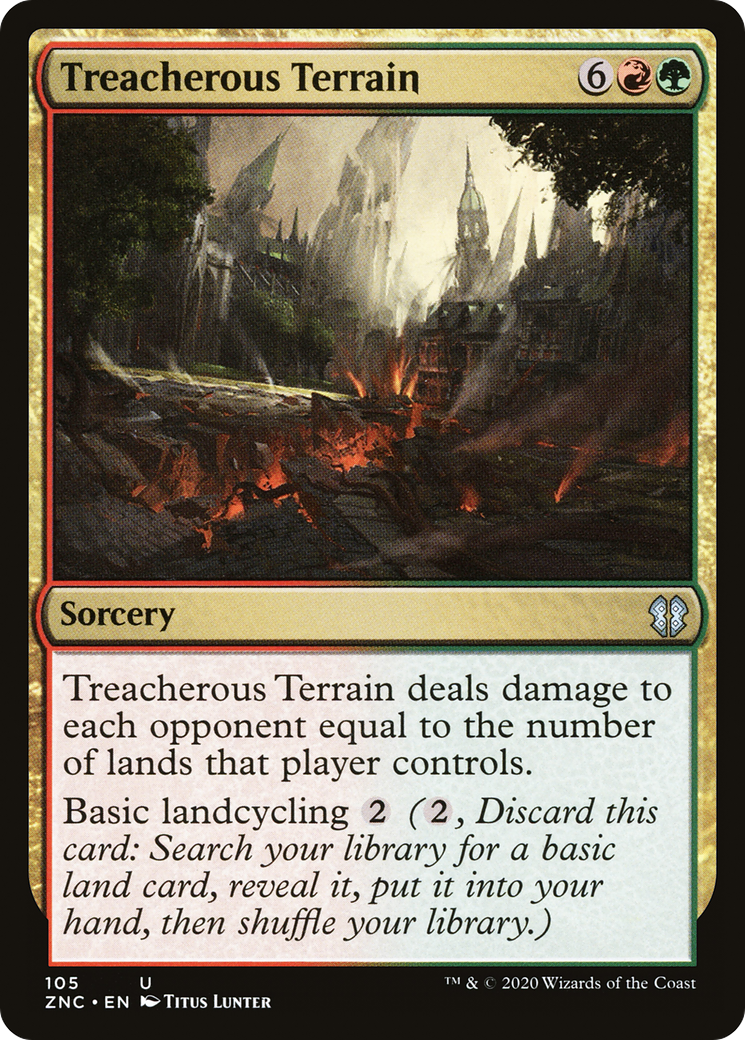
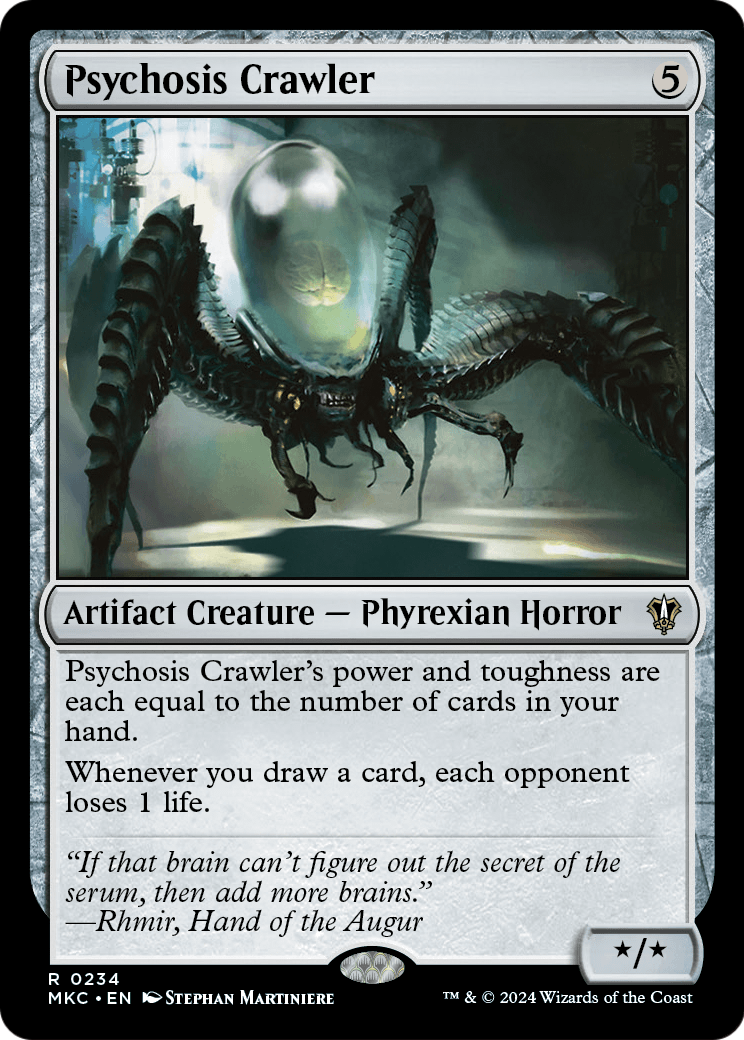
Their faces stood still as a glaring double standard rose from beneath their skin. These were players who probably piloted aggressive decks that swing for lethal, lock the board with stax pieces, or win via two-card infinites. But when a Group Hug deck uses Treacherous Terrain to burn the table for damage based on the lands I helped them ramp, or uses Psychosis Crawler to drain life based on the cards I helped them draw, why has it suddenly become an unfair trap?
There is a deep-seated stigma in the format that a Group Hug deck is morally obligated to remain toothless. Bunnies should remain like bunnies and not bite. The unspoken rule imposed by the table is that you can facilitate the game, but you must never close it. If you build your own win condition into a political or generous shell, opponents act as if they've been defrauded. They look at your board with genuine grievance, as though your kindness was a contract promising you would never try to win.
Why is it noble when a Voltron commander deals 21 damage out of nowhere, but deceptive when a Strategic Group Hug deck gives you the resources to overextend and then punishes you for your own greed? Why can a stompy deck win through combat, but a Strategic Group Hug deck is only "allowed" to win through obscure infinite loops?
I think the answer is that Group Hug makes the invisible visible. When Group Hug wins, it doesn't just win against you, it wins with you. It wins by curating the environment with such immersion that your own ambition becomes my weapon. And that feels like an unforgivable betrayal to players who only understand power as a closed fist. They feel lied to because they mistook my open hand for passivity. They wanted a fountain that never runs dry and never fights back; they didn't expect the Shadow waiting underneath, or the bright yellow streak of a deck that actually intends to survive the room it built.
But I suppose I will give the scoff its due. They are right to note that giving at my table is never purely given. It buys goodwill, it changes who owes what to whom, it lets my open hand read as harmless for one more turn while the engine underneath it finishes assembling. When an opponent senses the strings in my generosity, they are not hallucinating. The naive version of this playstyle pretends the gift is pure, but Strategic Group Hug does not pretend. The question was never whether my generosity is political, it is whether I am honest that it is.
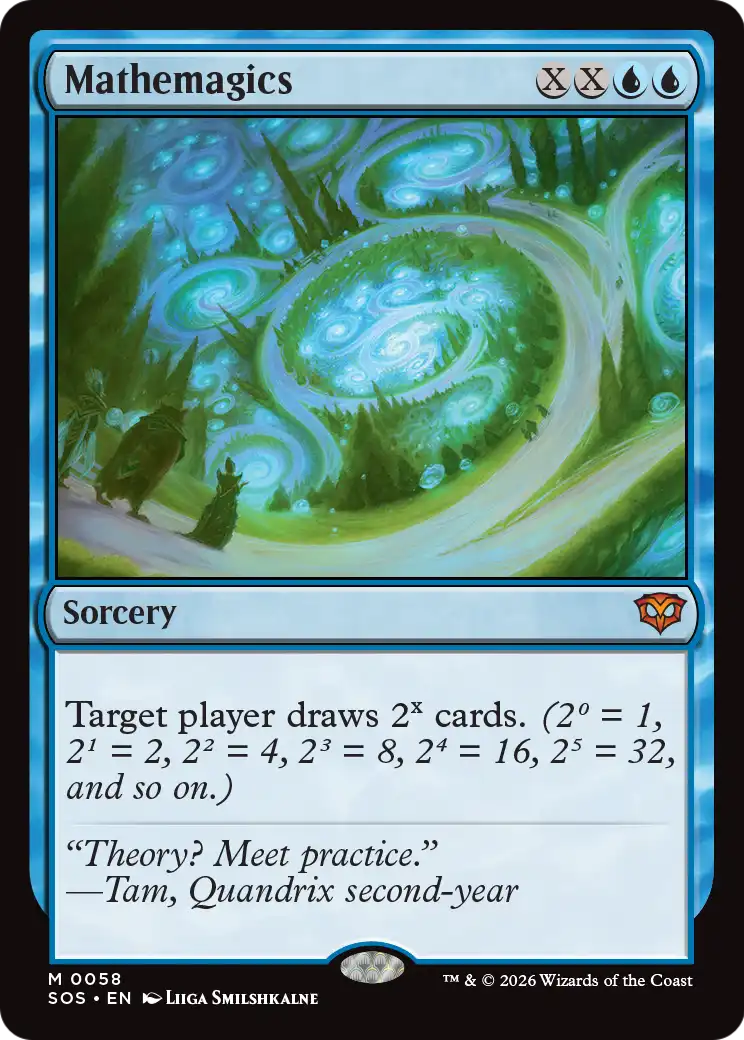
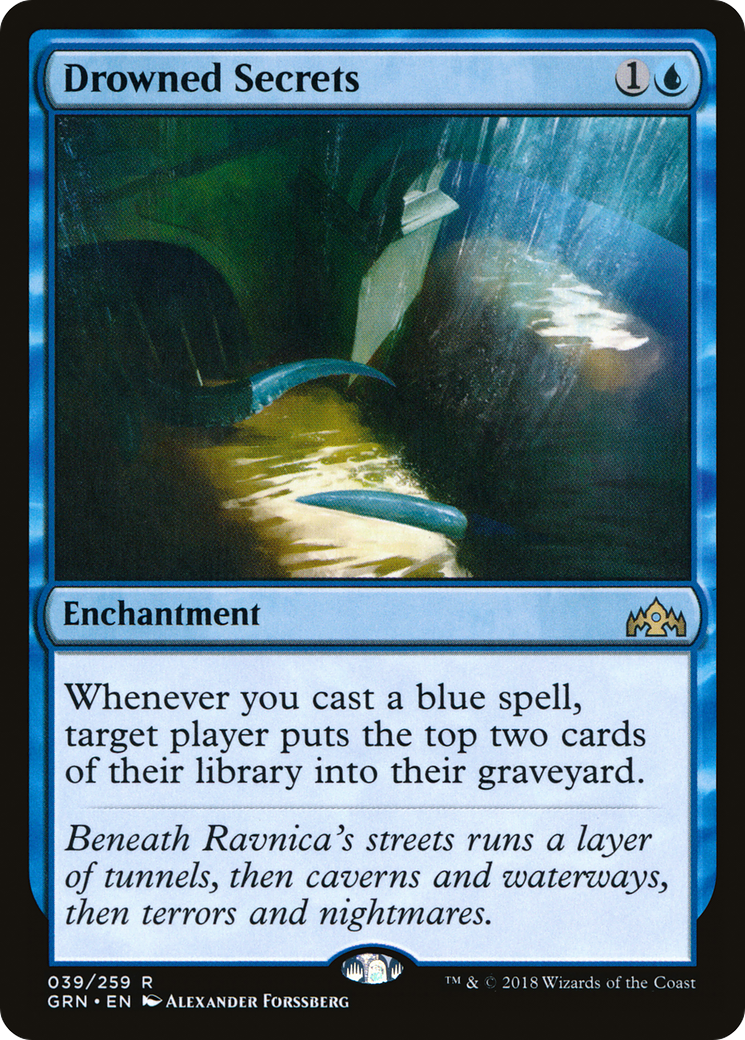
I see this same mechanical inevitability when building Sokrates. People assume milling opponents is aggressive, while drawing cards is peaceful. But as I tuned the list, the truth was startlingly simple: If I'm going to mill them out to win, I need to make them draw. The card draw isn't a gesture of mercy, it is the very mechanism of destruction. To empty their library, I had to flood their hands. Generosity was the win condition. Forced Fruition grinning across the table: draw seven cards. Have everything you ever wanted, until it consumes you.
This is the invisible labour, this is the cognitive overload. We are steering ships with three other captains who all think they are driving. I am watching the body language, reading the room, playing cards that don't just resolve but recalibrate. When someone looks mana screwed, I shift into Spotlight mode. When someone is running away with value, I shift into Shadow.
And as we steer the ships across the waters, we have our own weather to answer to. Because who knows, not every pod pays the attention back. Some nights the labour stays light in the hands, and I go home feeling like I got away with something. Other nights I track three people's weather all evening and the tracking runs in one direction only. Those nights I go home and do a quiet arithmetic that has nothing to do with the stack: whether more removal would be simpler than more watching; whether every table deserves the weather report. I am not proud of that arithmetic. But it is part of the price of the wide view, and pretending the price isn't there is exactly the kind of naivety my opponents accuse me of.
I have to know the math, but I also have to know the invisible conversations. I feel like that takes more energy than most Lightning Bolts ever could.
Scooping for a Fifth Seat
I've always felt that the architecture of care shouldn't stop at the edge of the playmat. When you see the room through the lens of a facilitator, the gifts we give aren't limited to cards and mana.
During an EDH night a few months ago, I was sitting at a five-person table playing my Samut vehicle deck. I was ramping hard (which is quite rare tbh), Sol Ring into Gilded Lotus, piloting Valor's Flagship with lifelink and flying. I was on the verge of winning.
Just then, a player from a neighbouring pod walked over. Their table had dissolved, and they were looking for a fourth player to make a proper pod. The fourth person at our table had been sitting out waiting for a game. I looked at my board state, looked at the player standing there with his deck box in hand, and offered to scoop.
I stepped away from a winning board state so four other people could play a complete game. In a room that measures success by who sits on the throne at the end of turn ten, walking away from a good board state can feel rather strange, a kind of radical act. But what is the value of a seat anyway?
I felt the same thing during the MTG Community Day organised by Denki, when I volunteered to facilitate the learn-to-play table. I spent the afternoon guiding two absolute beginners. I didn't lecture them, didn't police their hands, didn't rush their triggers. I only answered when they asked. I gave them space to breathe, to read text boxes, to fail, to wonder.
When you teach someone to play without performance or ego, you aren't just passing down rules. You are building the next generation of the room.
Two Ways to Fill a Room
In this hobby, I've noticed that you encounter two types of experienced players.
There are the players that are seasoned, capable of executing terrifying combos, yet sit across from you with a calm, gentle posture. Playing against them feels safe. They never interrupt to critique your line, never lecture you on optimal (or suboptimal) plays, never choke the air out of the pod. They give you room to sit as yourself, whatever that may be, and whatever cards that may look like. Their expertise is a tool for connection, not a weapon for correction or control.
The room often makes their own mistakes with these players. They don't replace their skills with kindness or civility. They are often the most dangerous player at the table (think turn-six kill, the full combo, the kind of sequencing that makes you rewind the turn in your head days later) and none of it comes with a warning label. Their skill are quiet and patient, like a tiger waiting for the right time to defeat their prey. They hold their winning line the way we should hold a counterspell; patiently, without making the table flinch.
When a newer player is still reading their cards, the pro waits. When someone misplays, the pro says nothing unless asked. Just because someone can dismantle the pod does not mean they came to pubstomp it. This idea, this fear that a strong deck must belong to a bully, maybe is its own kind of cage.
And the fear perhaps come from the other side of the pool, the dominant veterans. The ones who arrive with an encyclopedia of tokens, who politic by volume, who spend fifteen minutes narrating their mastery while newer players sit in silence, missing their triggers because no one created space for them to speak. They never set any rule 0 conversation. They start to mumble when they disclose the turns they need to win. And when I see through the words they speak, I see men vying for attention, hungry to oil their egos with long turns, a louder voice, and fast tempo.
But even here, I try not to mistake the volume for a verdict. Some of these players have simply never sat in a room that told them what it wanted. Give one of them a boundary and watch what happens: sometimes they mumble and keep going. But sometimes they apologise, switch decks, ask what your deck is trying to do. The loud grammar is often the only one their old tables ever rewarded, and it follows them into rooms that never asked for it.
Do you see the difference? One uses expertise to build a cage of noise. The other uses expertise to build a holding environment. Like a big, bellowing brat against the bright hot striking sun.
The difference was never skill. Both of these players can beat you before you find your fifth land. The difference is what each of them does with the space around their master, does it become their own narcissistic stage, or a fair shelter for us all to be a part of? I know which room I want to sit in. And I know which one I am trying to build.
When I sat back arms folded, legs crossed, watching an aggressive player wrestle with my Salamanders, I wasn't being passive. I was refusing to participate in the cage of noise. I was holding the perimeter of the room so three other human beings could play a game that felt honest, patient, and real. That silence wasn't emptiness; it was space. Space for someone else to think, to breathe, to play without being narrated at.
The Room Was Waiting
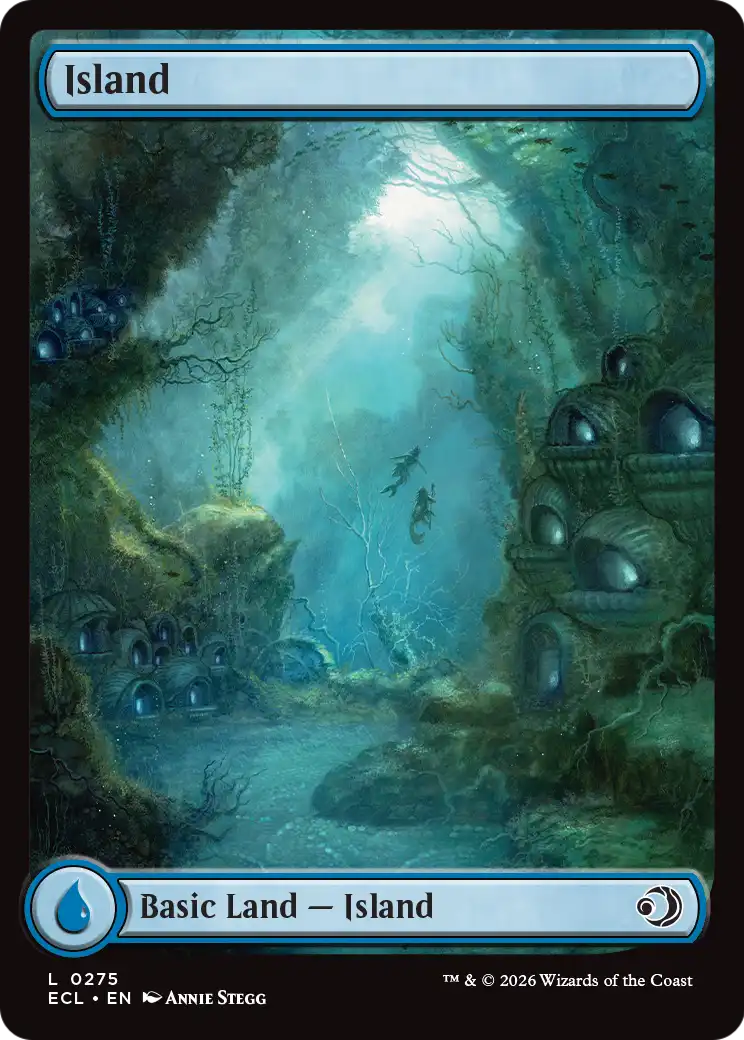
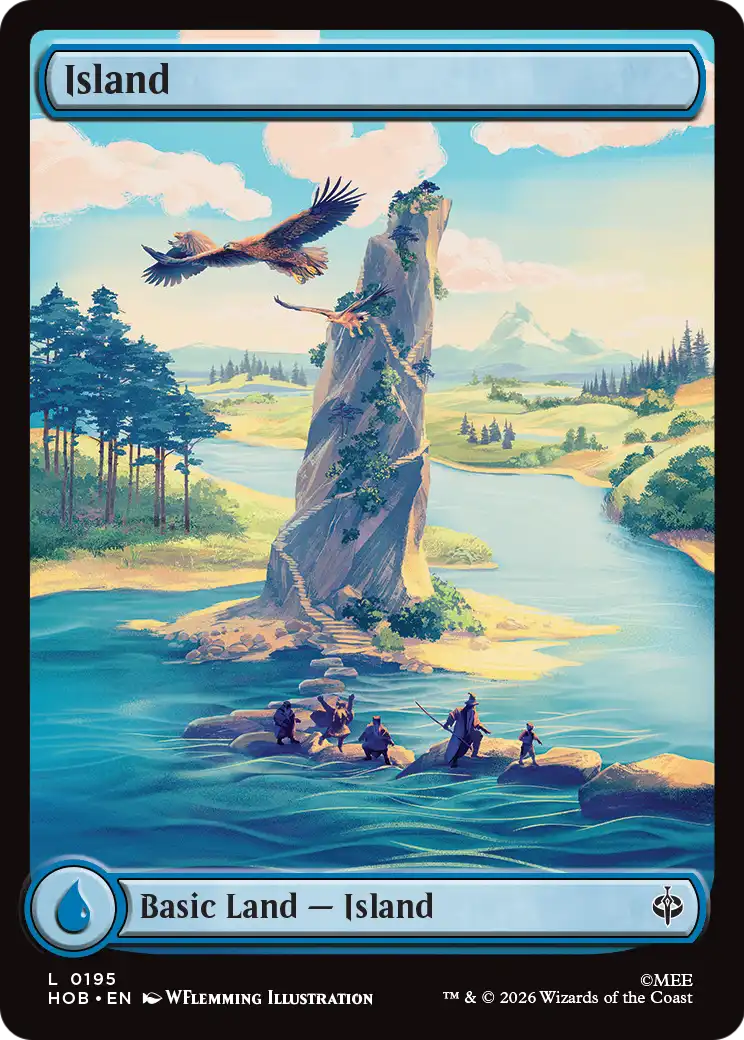
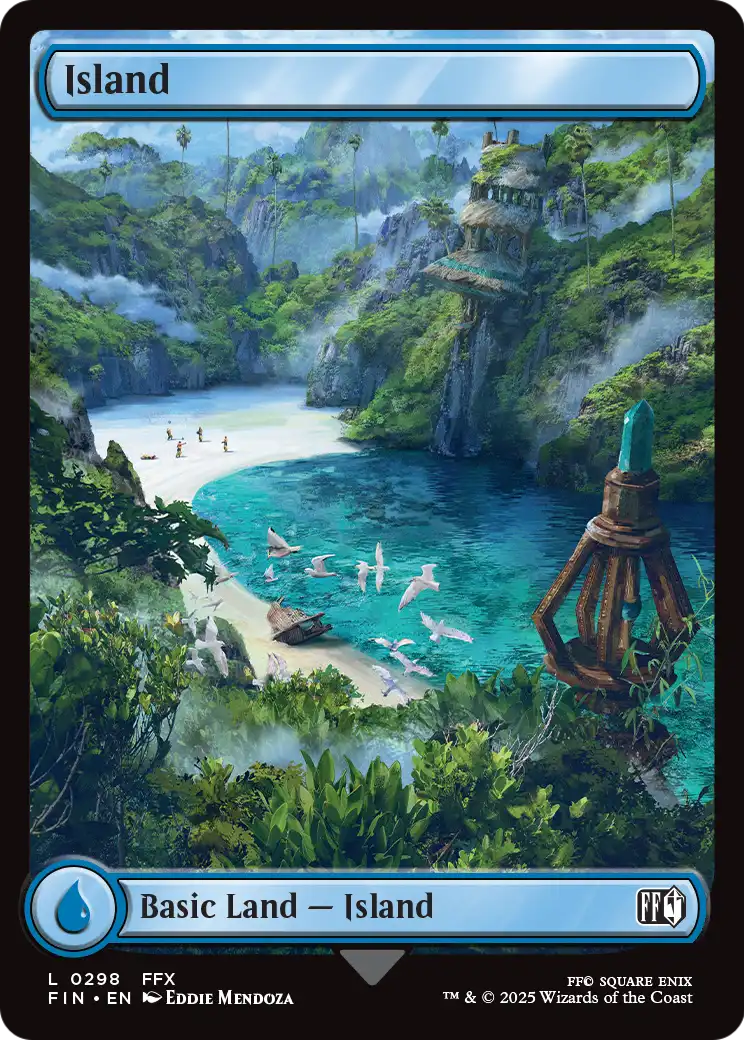
So why would anyone give away an Island?
Because the Island is never just mana. It is an invitation. It is a statement that can say: I see you sitting there, stuck, unable to play, and I care more about your presence at this table than I do about my own tactical advantage.
Perhaps to the many competitive players who measure value in market prices and win-rates, that answer will always sound like naivety. They will look at the bright, defiant yellow of Aetherdrift, or the obscure text boxes of 1994 enchantments, or the basic land slid across the table, and see only misplayed, unworthy bulk.
Let them.
I'll continue exploring and keep building. Play Magnetic Mountain and Kwain and Ms. Bumbleflower after we draw for turn. Walk into pods and game nights not with force, but with friction; not to dominate, but to offer something helpful.
But does it ever win? I understand why they ask. In a game that ends when one player is left standing, winning can seem like the only metric that seems to matter. If I claim group hug is powerful, surely I need to prove it by being the last one alive?
But I've been thinking about what winning actually means when you play the way I play. Because I've watched a mana-screwed new player cast his spells for the first time because I slid him an Island. I've watched a family man say thanks for being patient with me on his way out the door. I've enjoyed the quiet alliance I make with my opponent when I see an aggressive player get countered whilst monologuing. I've watched a student want to come back and play again because the room felt like somewhere he could stay. I've watched two beginners learn to play because I volunteered an afternoon and didn't rush their triggers.
None of those show up on a life total. But all of them are wins to me.
Competitive players measure winning as elimination, you win by removing everyone else from the table. I measure winning as retention, you win by making sure everyone wants to come back. My metric isn't softer than theirs. It's just longer. A combo deck wins one game. A room filled with players that come back wins every game that comes after it.
So does group hug win? Every single time. You just have to know what you're counting.
Giving is not the opposite of power. Giving is the bright yellow bricks and walls that decide who gets to stay in the room to fight.
And as I look down at my open hands, at the cards selected for texture rather than value, at the table of strangers smiling across the silence as they wave and say hello, I realise I am no longer unmoored. I am no longer the outsider who walked into Comic Con without a map or a compass.
I am here to play, and I am here to help.